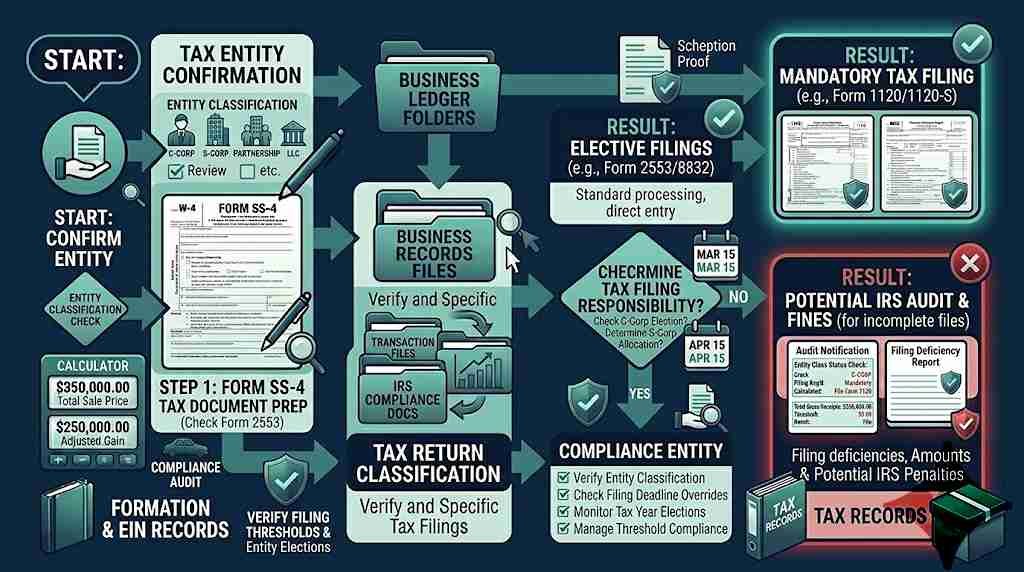
What is form RRB-1099 is a tax document issued by the U.S. Railroad Retirement Board (RRB) that reports railroad retirement benefits paid to retired railroad workers and their survivors. Unlike standard Social Security income reported on SSA-1099, the RRB-1099 specifically covers Tier 1 railroad retirement benefits, which are treated similarly to Social Security benefits under IRS tax rules. For 2026 filers, understanding how RRB-1099 income is taxed and reported on Form 1040 is essential to avoid costly filing errors and IRS penalties.
Understanding What Is Form RRB-1099 and Why It Matters in 2026
What is form RRB-1099 is a question that applies directly to hundreds of thousands of retired railroad employees and their surviving beneficiaries across the United States. The form is issued annually by the Railroad Retirement Board, a federal agency that administers a separate retirement benefit system for workers who spent their careers in the railroad industry.
For the 2026 tax year, every recipient of Tier 1 railroad retirement benefits will receive this document and must use it to correctly calculate what portion — if any — of those benefits is subject to federal income tax. Misclassifying or omitting RRB-1099 income is one of the most common errors flagged during IRS automated matching reviews.
Statutory Compliance Requirements for Businesses and Individuals
The Railroad Retirement Act establishes a two-tier benefit structure that directly determines how railroad retirement income is taxed and reported for 2026 compliance.
Tier 1 benefits are the portion of railroad retirement payments equivalent to what Social Security would have paid. These are reported on Form RRB-1099 and taxed under the same rules as Social Security income. Depending on your combined income — defined as adjusted gross income plus nontaxable interest plus half of your Tier 1 benefits — between 0% and 85% of your Tier 1 benefits may be subject to federal income tax.
Tier 2 benefits, by contrast, are reported on a separate document called Form RRB-1099-R and are taxed like a private pension or annuity — not like Social Security. It is critical not to confuse these two documents, as they carry entirely different tax treatments and map to different lines on your federal return.
The combined income thresholds that determine the taxable percentage of RRB-1099 Tier 1 benefits for 2026 are:
For individual filers, if combined income is below $25,000, benefits are fully tax-free. Between $25,000 and $34,000, up to 50% of benefits may be taxable. Above $34,000, up to 85% of benefits may be taxable.
For joint filers, if combined income is below $32,000, benefits are fully tax-free. Between $32,000 and $44,000, up to 50% of benefits may be taxable. Above $44,000, up to 85% of benefits may be taxable.
These thresholds are established under Internal Revenue Code § 86, the same statute governing Social Security taxability. You can review the full IRS guidance on railroad retirement taxation directly at the IRS official website.
Retired railroad workers who also receive distributions from personal retirement accounts alongside their RRB-1099 benefits should understand how to calculate the taxable amount on 1099-R to ensure both income streams are reported accurately without double-counting.
Additionally, if you are a surviving spouse or dependent receiving railroad retirement survivor benefits, it is important to understand will a 1099 affect my disability since certain disability-related income thresholds may interact with RRB-1099 benefit amounts during the 2026 tax year.
Quick Reference Compliance Matrix
| Benefit Type | IRS Form Issued | Tax Treatment | Reported On |
|---|---|---|---|
| Tier 1 Railroad Retirement Benefits | RRB-1099 | Taxed like Social Security (0%–85% taxable) | Form 1040, Line 6a/6b |
| Tier 2 Railroad Retirement Benefits | RRB-1099-R | Taxed like pension/annuity | Form 1040, Line 5a/5b |
| Survivor Tier 1 Benefits | RRB-1099 | Same Social Security rules apply | Form 1040, Line 6a/6b |
| Medicare Premium Deductions | Shown on RRB-1099 | Reduces gross benefit amount reported | Schedule A (if itemizing) |
| Voluntary Federal Tax Withheld | Shown on RRB-1099 | Applied as tax credit | Form 1040, Line 25b |
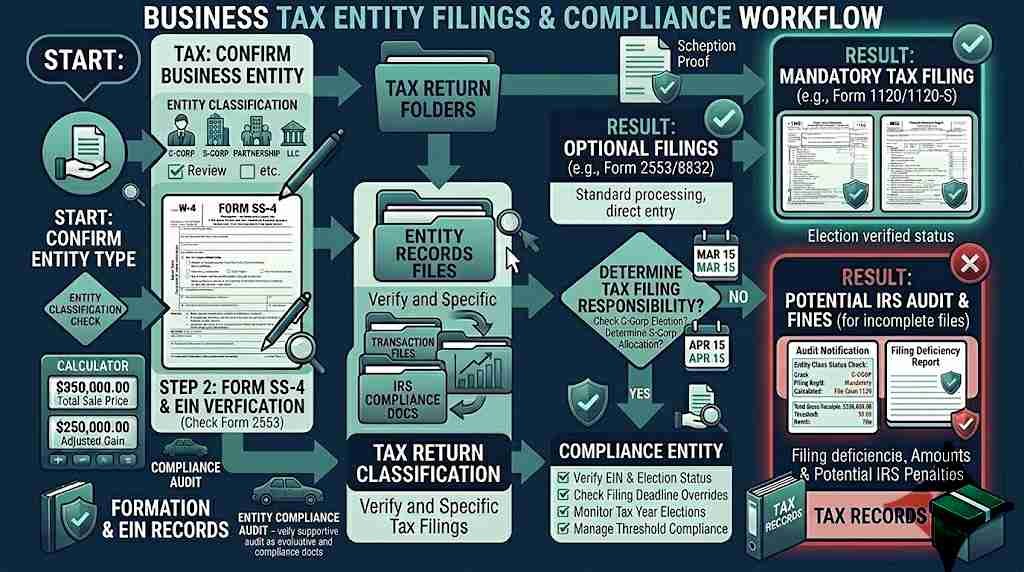
What Is Form RRB-1099 Compliance Workflow Matrix
Key Box-by-Box Breakdown of Form RRB-1099
Understanding each box on your RRB-1099 eliminates confusion when transferring figures to your 2026 Form 1040.
Box 5 — Net Railroad Retirement Benefits is the core figure. It represents your gross Tier 1 benefit minus any Medicare premiums deducted directly from your monthly payments. This is the number you carry forward into the Social Security taxability worksheet.
Box 10 — Federal Income Tax Withheld shows any voluntary withholding you elected through Form RRW-4V submitted to the Railroad Retirement Board. This amount flows directly to Line 25b of your Form 1040 as a tax payment credit.
Box 11 — Medicare Premium Total reflects the total amount deducted from your benefits for Medicare Part B and Part D premiums during the tax year. If you itemize deductions, a portion of this figure may be deductible as a medical expense on Schedule A, subject to the 7.5% AGI floor still in effect for 2026.
The RRB’s EIN, which appears in the payer information section, must be entered accurately in your tax software or on paper returns to ensure proper IRS data matching.
Who Receives Form RRB-1099
Form RRB-1099 is issued to any individual who received Tier 1 railroad retirement benefit payments during the tax year. This includes:
Retired railroad workers who have qualified under the Railroad Retirement Act based on years of creditable railroad service. Surviving spouses and qualified dependents of deceased railroad workers receiving monthly survivor benefit payments. Disabled railroad workers receiving occupational or total disability benefits under Tier 1 provisions.
You will receive your RRB-1099 directly from the U.S. Railroad Retirement Board by mail, typically in January 2026 for the prior benefit year. If you do not receive your form by early February, the RRB provides a dedicated beneficiary portal and toll-free line to request a duplicate statement.
Frequently Asked Questions (Gutenberg Block Ready)
What is form RRB-1099 and how is it different from a regular 1099?
Form RRB-1099 is a specialized tax document issued exclusively by the U.S. Railroad Retirement Board that reports Tier 1 railroad retirement benefits paid to retired railroad workers and their survivors. Unlike a standard 1099-NEC or 1099-MISC issued by private businesses for contractor or miscellaneous income, the RRB-1099 is a federal government benefit statement governed by the Railroad Retirement Act and taxed under the same IRS rules that apply to Social Security income. It is not issued by any private employer or financial institution.
Is RRB-1099 income taxable for 2026 federal returns?
RRB-1099 Tier 1 benefits may be partially taxable depending on your total combined income for the 2026 tax year. If your combined income — calculated as adjusted gross income plus nontaxable interest plus half of your Tier 1 benefits — falls below $25,000 for individual filers or $32,000 for joint filers, your benefits are entirely tax-free. Above those thresholds, between 50% and 85% of your RRB-1099 benefit amount becomes subject to federal income tax under IRS rules established in Internal Revenue Code § 86.
What is the difference between RRB-1099 and RRB-1099-R?
Form RRB-1099 reports Tier 1 railroad retirement benefits, which are treated like Social Security income for federal tax purposes. Form RRB-1099-R, by contrast, reports Tier 2 railroad retirement benefits along with any supplemental annuity or dual benefit payments, which are taxed like private pension and annuity income. Many railroad retirees receive both forms in the same tax season and must report each on a different line of their Form 1040 — Line 6 for RRB-1099 Tier 1 amounts and Line 5 for RRB-1099-R pension amounts.
Where do I report RRB-1099 on my 2026 Form 1040?
The net Tier 1 benefit amount from Box 5 of your RRB-1099 is reported on Line 6a of Form 1040 as your gross Social Security equivalent benefit. After completing the IRS Social Security Benefits Worksheet — found in the Form 1040 instructions — the taxable portion flows to Line 6b. Any federal income tax withheld shown in Box 10 of your RRB-1099 is reported on Line 25b of Form 1040 as a tax payment, reducing your final tax liability or increasing your refund.
What should I do if I did not receive my RRB-1099 for 2026?
If you did not receive your Form RRB-1099 by early February, you should contact the U.S. Railroad Retirement Board directly through their official website or toll-free beneficiary services line to request a duplicate statement. Do not attempt to reconstruct the form from benefit payment stubs, as the official RRB-issued document contains the precise figures — including Medicare deductions and federal withholding — required for accurate IRS reporting. Filing without the correct RRB-1099 data can trigger automated IRS mismatch notices and potential penalties.