Can 1099 wages be garnished is a critical legal and financial question for independent contractors and self-employed workers navigating debt collection, child support orders, or IRS tax levies in 2026. Unlike W-2 employees whose wages are subject to automatic payroll garnishment through their employer, 1099 independent contractors are not protected — or restricted — by the same Consumer Credit Protection Act (CCPA) wage garnishment limits. However, creditors, courts, and the IRS have powerful alternative legal tools to reach 1099 income, making it far from untouchable under 2026 federal and state rules.
Understanding Can 1099 Wages Be Garnished and Why It Matters in 2026
Can 1099 wages be garnished is a question that carries urgent financial implications for the more than 70 million independent contractors currently working in the United States. The answer is more complex than a simple yes or no because 1099 income does not flow through a traditional employer payroll system — which is the primary mechanism through which wage garnishment operates for W-2 workers.
For the 2026 tax year, 1099 workers facing outstanding debts, unpaid taxes, child support obligations, or court judgments need to understand exactly which legal tools creditors and government agencies can deploy to reach their contractor income — and what protections, if any, exist to limit that reach.
Statutory Compliance Requirements for Businesses and Contractors
The legal framework governing can 1099 wages be garnished spans federal garnishment law, IRS collection authority, and state-level enforcement rules. For 2026 compliance, the following structure applies.
Standard Wage Garnishment Does Not Apply to 1099 Income. The Consumer Credit Protection Act (CCPA) establishes the federal framework for wage garnishment, capping the amount creditors can garnish from a W-2 employee’s disposable earnings at 25% of disposable income or the amount by which weekly earnings exceed 30 times the federal minimum wage — whichever is less. However, this protection applies specifically to wages paid by an employer to an employee. Because 1099 contractors are not employees and do not receive wages through a payroll system, the CCPA garnishment caps do not apply to their income in the same direct way.
Bank Account Levy Is the Primary Tool Against 1099 Income. When a creditor obtains a court judgment against a 1099 contractor, they cannot instruct the contractor’s clients to withhold payments the way an employer garnishes a paycheck. Instead, the creditor typically pursues a bank account levy — a court order that freezes and seizes funds deposited in the contractor’s bank account. Because 1099 contractors deposit client payments into their bank accounts, a levy effectively reaches that income after it has been received. This is the most common answer to can 1099 wages be garnished: not through payroll, but through the bank account where that income lands.
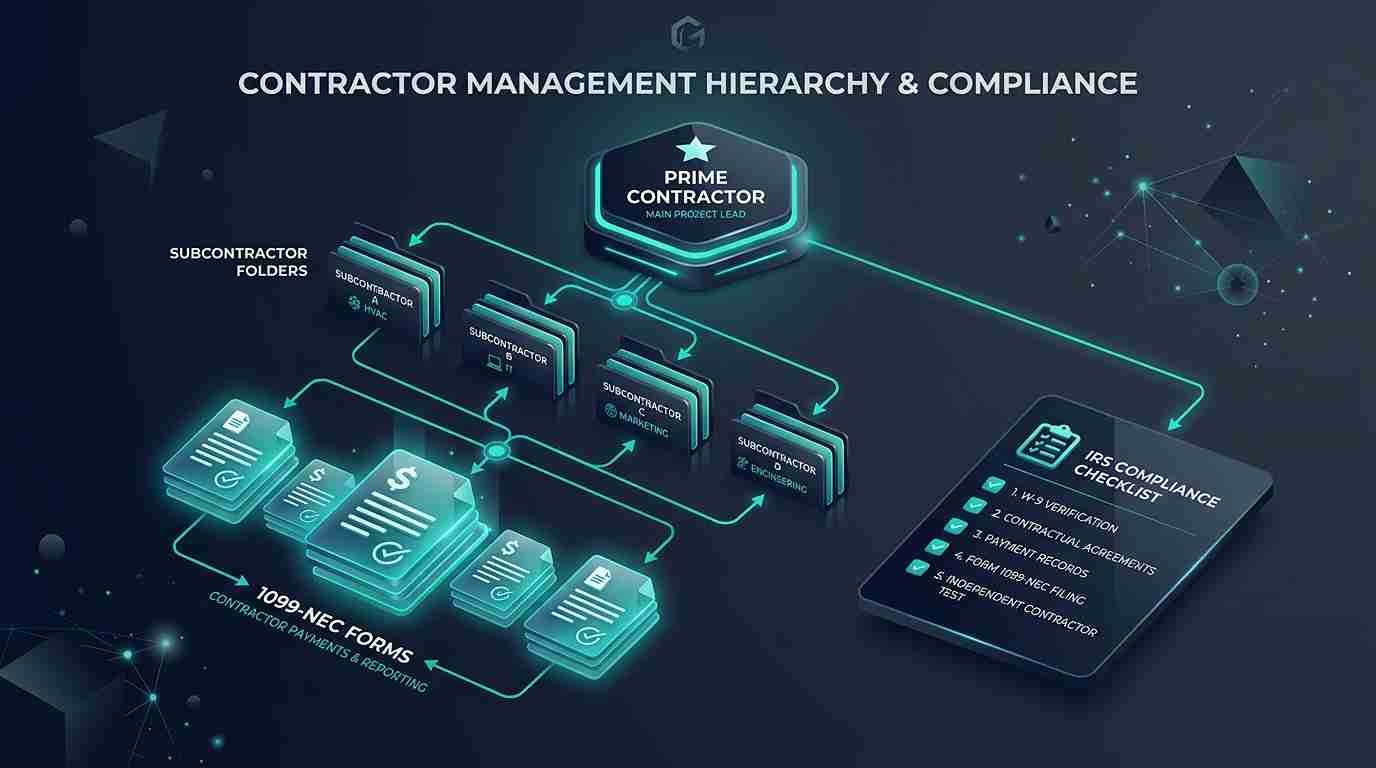
The IRS Has Broader Garnishment Authority Than Private Creditors. The IRS operates under its own collection authority established in Internal Revenue Code § 6331, which allows it to issue a Notice of Levy on virtually any income source without obtaining a court judgment first. Under 2026 IRS rules, the agency can levy 1099 contractor payments directly by issuing a levy notice to the contractor’s clients, requiring those clients to redirect a portion of contract payments directly to the IRS. This is the most powerful form of income garnishment a 1099 worker can face and has no CCPA percentage cap protection.
Child Support and Alimony Garnishment Against 1099 Workers. State child support enforcement agencies can obtain income withholding orders against 1099 contractors through the court system. While these orders are typically served on employers for W-2 workers, courts can also serve them on recurring 1099 clients who make regular payments to a contractor — effectively garnishing those client payments before they reach the contractor. For 2026, understanding can 1099 wages be garnished for child support purposes means recognizing that family court orders carry broad enforcement authority that extends well beyond traditional payroll systems.
For 1099 workers concerned about how garnishment interacts with their overall tax obligations, understanding can 1099 be garnished provides a complementary breakdown of the specific legal mechanisms creditors use to reach contractor income through both bank levies and direct client payment intercepts.
The full IRS guidance on levy procedures, including taxpayer rights during the collection process and installment agreement options that can halt active levies, is available directly at the IRS official website.
1099 workers who also want to understand how their independent contractor status interacts with legal protections more broadly should review are 1099 employees covered by workers comp since both workers compensation coverage and garnishment protection share the same foundational question of whether the IRS and courts treat a worker as an employee or an independent contractor under 2026 rules.
Quick Reference Compliance Matrix
| Garnishment Type | Applies to 1099 Income | Mechanism Used | Federal Protection Cap |
|---|---|---|---|
| Standard Wage Garnishment (CCPA) | Not directly | Payroll withholding — N/A for 1099 | 25% disposable income or 30x minimum wage |
| Bank Account Levy (Court Judgment) | Yes | Creditor freezes bank account | No CCPA cap applies to bank levies |
| IRS Tax Levy (IRC § 6331) | Yes | IRS notifies clients directly | Exempt amount based on filing status only |
| Child Support Income Withholding | Yes | Court order served on recurring clients | Up to 50%–65% of disposable income |
| Student Loan Default Garnishment | Limited | Federal agency levy on bank accounts | No CCPA cap on bank levies |
| State Tax Levy | Yes | State agency notifies clients or bank | Varies by state law |
How Creditors Actually Reach 1099 Income in 2026
Understanding can 1099 wages be garnished requires knowing the specific legal steps creditors follow to reach contractor income since the standard payroll garnishment route is unavailable to them.
Step one for a private creditor is obtaining a court judgment against the 1099 contractor. This requires filing a civil lawsuit, winning the case or obtaining a default judgment, and then using that judgment as the legal basis for collection action. Without a court judgment, private creditors have no authority to touch a 1099 contractor’s income or bank accounts.
Step two is identifying the contractor’s bank accounts and financial assets. Creditors use post-judgment discovery tools — including interrogatories and subpoenas — to compel the contractor to disclose their bank accounts, investment accounts, and recurring income sources.
Step three is filing a writ of garnishment or bank levy with the court, which is then served on the contractor’s bank. The bank is legally required to freeze funds up to the judgment amount and remit them to the creditor after a state-mandated waiting period that typically ranges from 10 to 30 days.
Step four, in cases involving recurring 1099 client relationships, is serving the writ of continuing garnishment on those clients directly. If a contractor receives regular monthly payments from the same client, a court can order that client to redirect a portion of future payments to the creditor — functioning similarly to employer payroll garnishment for as long as the contract relationship continues.
IRS Levy on 1099 Income — The Most Powerful Collection Tool in 2026
The IRS levy is the most aggressive answer to can 1099 wages be garnished because it bypasses the court system entirely. Under Internal Revenue Code § 6331, the IRS can issue a Final Notice of Intent to Levy after a tax debt remains unpaid following standard collection notices. Once that final notice is issued and 30 days pass without resolution, the IRS can:
Serve a continuous levy on up to 70% of a 1099 contractor’s payments from federal government clients under IRC § 6331(h). Contact the contractor’s private clients directly and require them to remit a portion of contract payments to the IRS. Freeze and seize the contractor’s bank accounts, investment accounts, accounts receivable, and any other financial assets.
The only amounts exempt from IRS levy are a small standard exemption based on the contractor’s filing status and number of dependents — a figure that in 2026 amounts to only a few hundred dollars per week, leaving the vast majority of 1099 income exposed to collection.
Frequently Asked Questions (Gutenberg Block Ready)
Can 1099 wages be garnished the same way W-2 wages are garnished?
No, can 1099 wages be garnished through the same payroll mechanism as W-2 wages is not possible because 1099 independent contractors do not receive wages through an employer payroll system. The Consumer Credit Protection Act wage garnishment framework applies specifically to employer-paid wages and does not create the same automatic withholding mechanism for contractor payments. Instead, creditors pursuing 1099 income must obtain a court judgment and then use bank account levies or writs of continuing garnishment served on recurring clients to reach contractor earnings after they are paid.
Can the IRS garnish 1099 income without a court order in 2026?
Yes, the IRS has statutory authority under Internal Revenue Code § 6331 to levy 1099 contractor income without obtaining a court judgment. After issuing a series of standard collection notices and a Final Notice of Intent to Levy, the IRS can contact a contractor’s clients directly and require them to redirect contract payments to the IRS, freeze bank accounts, and seize accounts receivable. This authority makes the IRS the most powerful creditor a 1099 worker can face, with far fewer procedural hurdles than private creditors must overcome to reach contractor income.
Can 1099 wages be garnished for child support obligations?
Yes, child support enforcement agencies can reach 1099 income through court-issued income withholding orders that are served on recurring clients who make regular payments to the contractor. While these orders are most commonly served on W-2 employers, courts have broad authority to serve them on any entity that makes regular payments to the contractor. Under federal law, child support garnishment can claim up to 50% of disposable income for contractors who support another spouse or child, and up to 65% for those who do not — percentages that significantly exceed the standard CCPA caps that apply to ordinary wage garnishment.
What protections exist for 1099 contractors facing bank levies in 2026?
While CCPA percentage caps do not apply to bank account levies, 1099 contractors do have some legal protections available. Certain funds deposited in bank accounts may be exempt from levy under state law, including Social Security benefits, disability payments, and in some states a portion of self-employment income designated as a homestead or personal property exemption. Contractors facing an active IRS levy can pursue an installment agreement, offer in compromise, or currently not collectible status through the IRS to halt collection action. For private creditor levies, filing for bankruptcy protection triggers an automatic stay that immediately stops all garnishment and levy activity.
Can a 1099 contractor’s clients be ordered to withhold payments for garnishment?
Yes, when a creditor obtains a writ of continuing garnishment or when the IRS issues a levy notice, the contractor’s clients can be legally required to withhold a portion of contract payments and remit them directly to the creditor or the IRS. This effectively functions as payroll garnishment for 1099 workers who maintain ongoing client relationships with regular payment schedules. Clients who receive such orders are legally obligated to comply and face their own legal liability if they continue paying the contractor in full while ignoring a valid garnishment order.